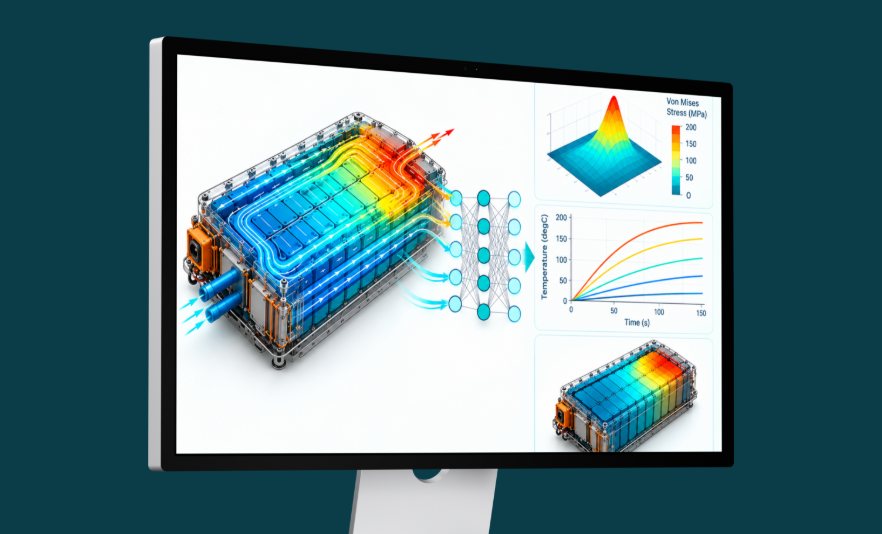
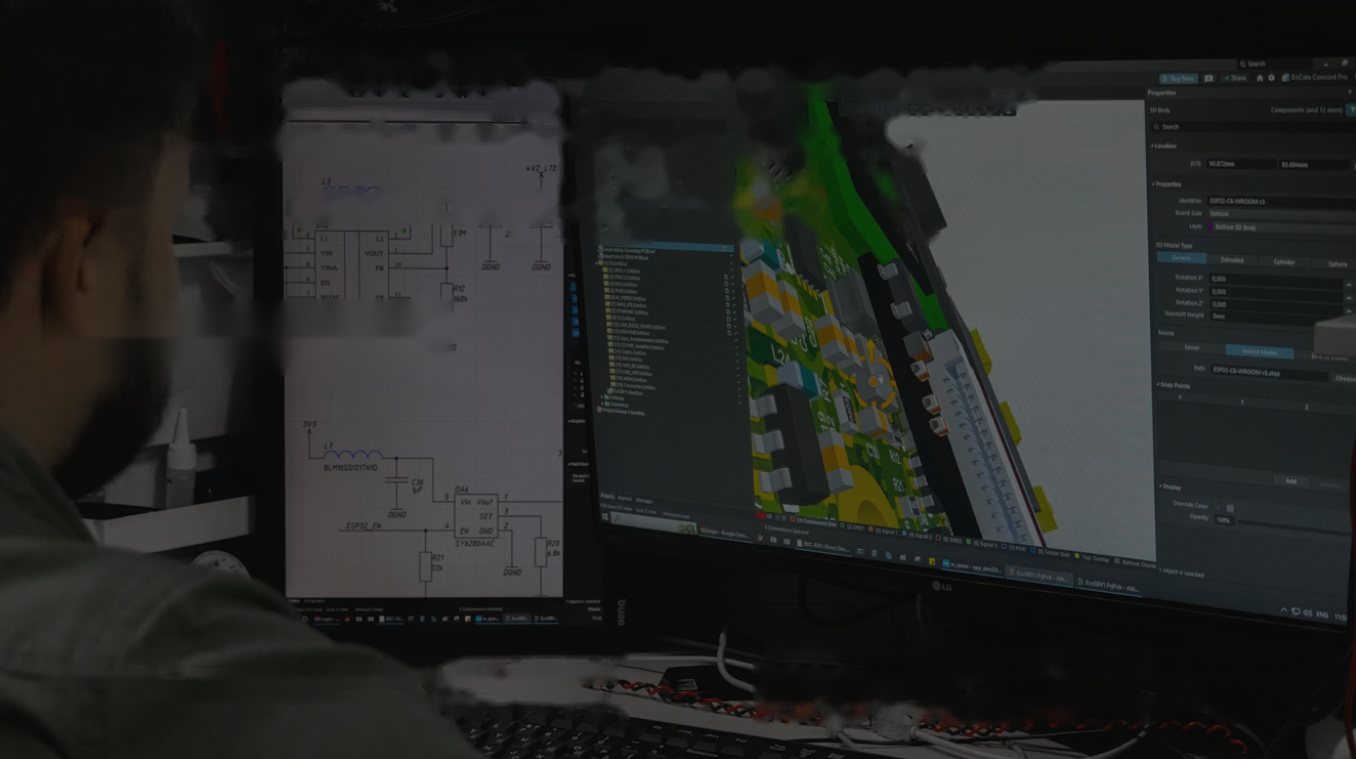
Physics-informed modelling for faster engineering simulation, design, and deployment.
oPINN combines governing physics with simulation & experimental data to build fast predictive models of engineering systems.
Use it to explore design and operating conditions, accelerate optimization, and bring engineering models into applications where running a full numerical solver is not practical.
Why oPINN?
Conventional numerical simulation
- Establishes detailed engineering behaviour
- Produces high-fidelity solutions
- Can be computationally expensive when repeatedly solving a problem
oPINN
- Learns a reusable representation of that behaviour
- Enables fast predictions across relevant conditions
- Can reduce the cost of repeated evaluations after training
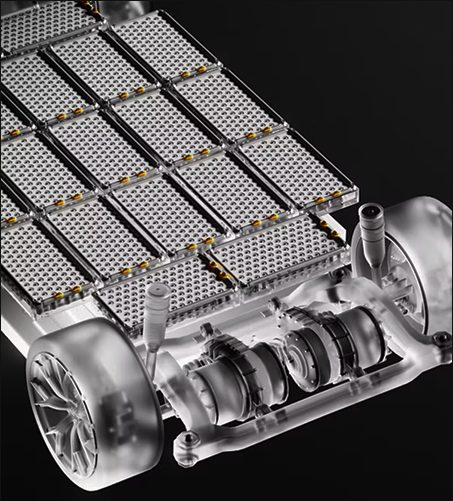
How oPINN works
Physics + Data + Learning
01
Physics
Governing equations, boundary and initial conditions, and the physical constraints of the system.
02
Engineering data
Simulation results, experimental data and measurement, wherever they exist.
03
Your engineering problem
Parameters, geometry, material properties and operating conditions.
Key capabilities
oPINN incorporates the physical rules governing a system directly into the model, rather than relying only on patterns learned from data.
01
Physics-informed modelling
Outcome
Governing equations and physical constraints are built into the model, not learned from data alone.
OutcomePhysically meaningful predictions with less dependence on large training datasets.
02
1D to 3D engineering problems
Outcome
Apply the same method from simple reduced-order problems to complex, multidimensional engineering systems.
OutcomeChoose the right balance of fidelity, speed and deployment cost for each problem.
03
Parametric simulation at speed
Outcome
Train once on the governing physics, then evaluate new operating conditions, materials or design parameters without re-solving from scratch.
OutcomeExplore far more of the design space inside the same development cycle.
04
Optimization & design exploration
Outcome
Drop fast physics-informed models into iterative design and optimisation loops where a full solver would be too slow to call repeatedly.
OutcomeEvaluate more alternatives and converge on a strong design faster.
05
Deployable engineering intelligence
Outcome
Take a physics-based model out of offline simulation and into digital twins, controls and near-real-time or edge applications.
OutcomeEnable faster operational decisions without the computational cost of running full-scale simulations in real time.
Example engineering applications
Thermal systems
Predict temperature distributions and transient thermal behaviour across changing conditions.
Fluid & transport problems
Model physical systems governed by flow, diffusion and transport phenomena.
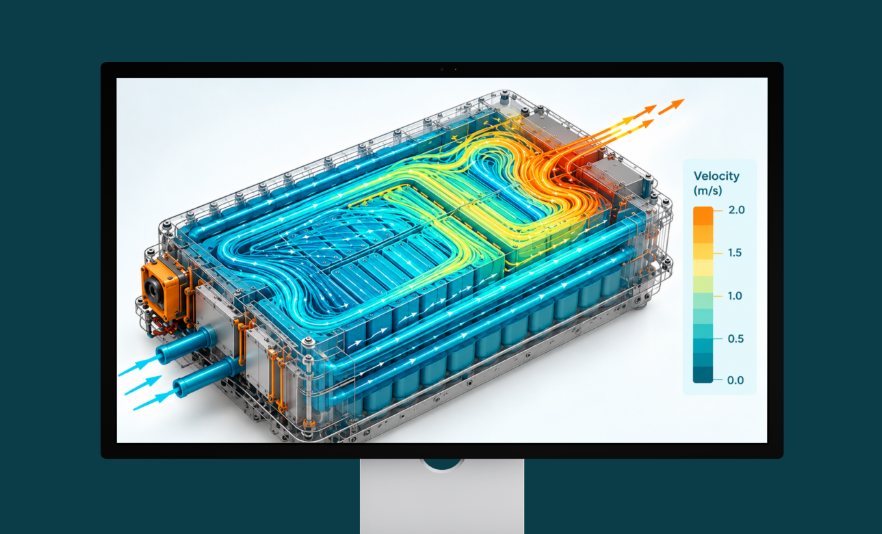
Multi-physics engineering
Build fast models for systems where interacting physical phenomena make repeated simulation computationally demanding.
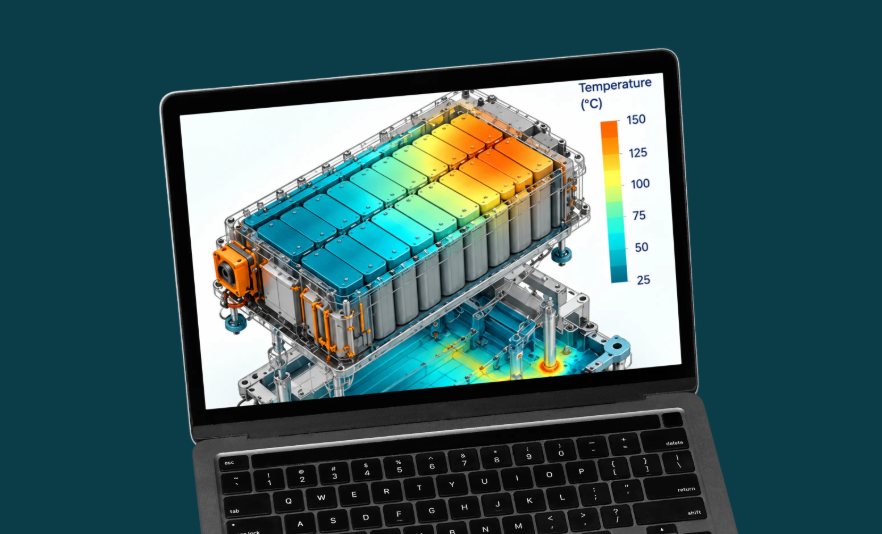
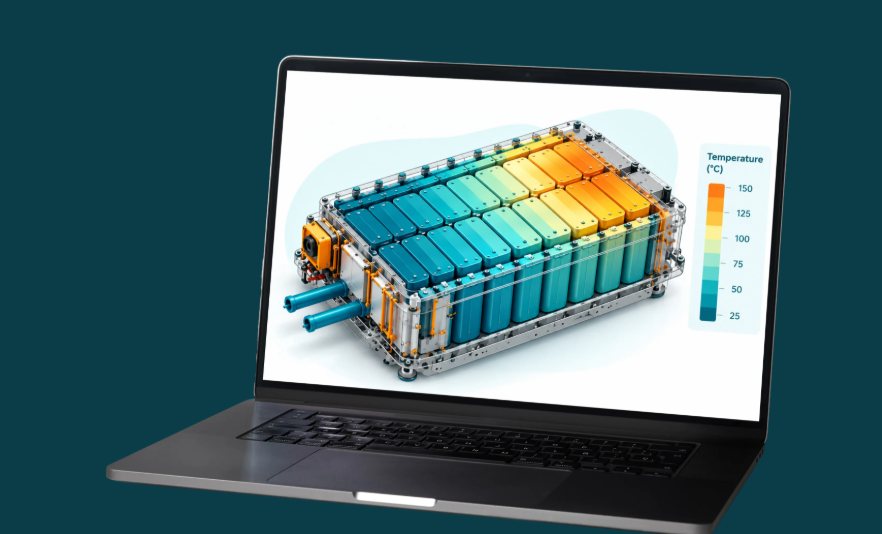
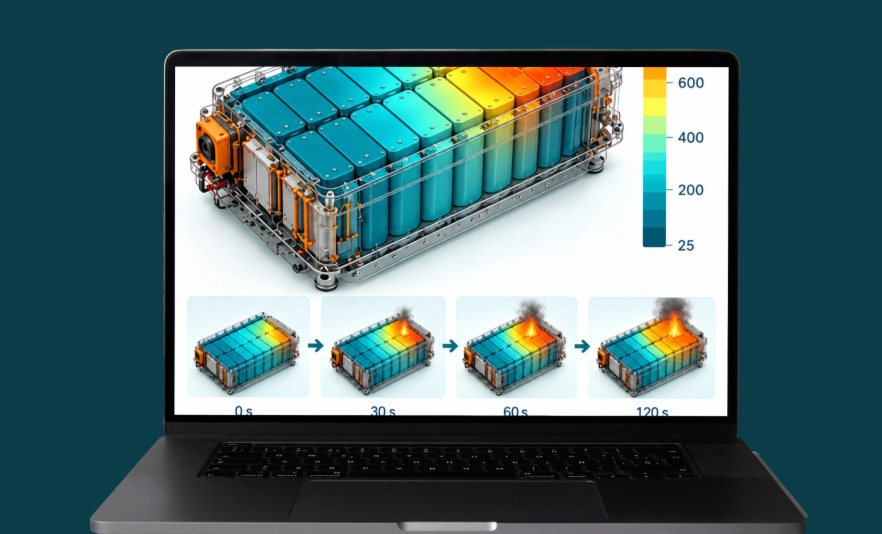
Battery thermal safety
Use physics-informed modelling to accelerate complex three-dimensional thermal and thermal-runaway studies.
Digital engineering
Create physics-aware surrogate models for optimization, controls, digital twins and deployment.